
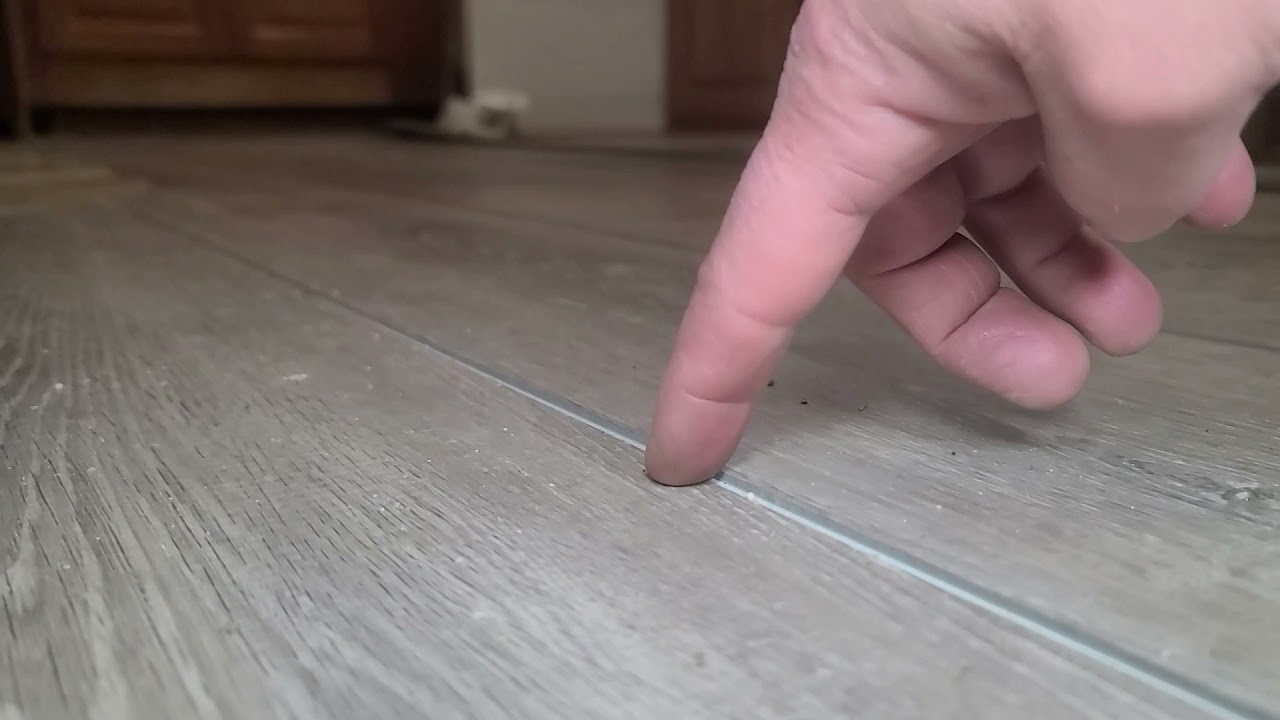
In today's environmentally conscious world, finding sustainable and eco-friendly alternatives for everyday products is becoming increasingly important. One area where this trend is particularly prominent is in the realm of flooring options. Homeowners are now seeking eco-friendly flooring solutions that not only beautify Refloor ads their homes but also minimize their carbon footprint. In this article, we will explore the various eco-friendly flooring options available and delve into their pros and cons.
Flooring Trends: Keeping Up with Sustainable Style
As the demand for eco-friendly flooring options continues to rise, manufacturers are stepping up to meet the needs of environmentally conscious consumers. Here are some of the top flooring trends in the realm of sustainability:
Bamboo Flooring: Bamboo has gained popularity as a sustainable alternative to traditional hardwood flooring. It is a fast-growing grass that can be harvested without causing significant environmental damage. Bamboo flooring offers a unique aesthetic appeal and is highly durable.
Cork Flooring: Cork is another excellent eco-friendly option that comes from the bark of cork oak trees. The bark regenerates over time, making it a renewable resource. Cork flooring is known for its cushioning effect, noise reduction properties, and resistance to moisture.
Recycled Wood Flooring: Repurposing old wood into new flooring not only reduces waste but also adds character and charm to your home. Reclaimed wood floors can be sourced from old barns, factories, or even salvaged from demolition sites.
Pros and Cons of Different Flooring Types
Before making a decision about which eco-friendly flooring option to choose, it's essential to consider the pros and cons of each type:
Bamboo Flooring:
- Pros: Rapidly renewable resource, durable, visually appealing. Cons: May require additional processing for durability, limited color options.
Cork Flooring:
- Pros: Renewable resource, comfortable underfoot, excellent insulation properties. Cons: Vulnerable to scratches and dents, requires regular maintenance.
Recycled Wood Flooring:
- Pros: Unique and rustic appearance, reduces waste. Cons: Limited availability, higher cost compared to other options.
Eco-Friendly Flooring Options: Making a Sustainable Choice
When it comes to eco-friendly flooring options, there is a wide range of choices available. Here are a few additional sustainable flooring options to consider:
Linoleum Flooring: Made from natural materials such as linseed oil, cork dust, and wood flour, linoleum is a durable and environmentally friendly option. It is biodegradable and does not emit harmful VOCs (volatile organic compounds).
Concrete Flooring: Concrete floors are gaining popularity for their durability and energy efficiency. They can be stained or polished to achieve various looks and can also be combined with radiant heating systems for added comfort.
Natural Stone Flooring: Natural stone, such as marble or slate, is an eco-friendly option that adds elegance and sophistication to any space. It is durable, long-lasting, and requires minimal maintenance.
Choose the Right Flooring for Each Room
Different rooms in your home have different requirements when it comes to flooring. Here are some tips on selecting the right flooring for each room:
Kitchen: Opt for durable flooring options that can withstand heavy foot traffic and spills. Tile or natural stone flooring are excellent choices due to their resistance to moisture and ease of cleaning.
Bedroom: For a cozy and comfortable feel, consider carpet or cork flooring in the bedroom. These options provide insulation against noise and temperature fluctuations.
Bathroom: In bathrooms, where moisture is prevalent, choose waterproof materials such as tile or vinyl flooring. These options are easy to clean and maintain.
Step-by-Step Guide to Preparing Your Home for New Flooring
Before installing new flooring, proper preparation is crucial for a successful and long-lasting result. Here's a step-by-step guide to preparing your home for new flooring:
Clear the area: Remove all furniture and obstacles from the room to create an open space for installation.
Clean the subfloor: Ensure that the subfloor is clean, free from debris, and level. This will provide a smooth surface for the new flooring.
Measure and cut: Take accurate measurements of the room and cut the flooring materials accordingly, allowing for any necessary adjustments or waste.
Install underlayment: Depending on the type of flooring, you may need to install an underlayment for added insulation or moisture protection.
Lay the new flooring: Begin laying the new flooring according to the manufacturer's instructions, taking care to ensure proper alignment and spacing.
Finish and clean: Once the installation is complete, apply any necessary finishing touches and thoroughly clean the new flooring to remove any debris or residue.
DIY Flooring Maintenance Tips
Proper maintenance is essential for preserving the beauty and longevity of your eco-friendly flooring. Here are some DIY maintenance tips:
Regular cleaning: Vacuum or sweep your floors regularly to remove dirt and debris that can cause scratches.
Avoid harsh chemicals: Use mild, eco-friendly cleaning solutions specifically formulated for your type of flooring to avoid damage.
Protect against wear: Place mats at entryways to trap dirt and prevent it from being tracked onto your floors. Use furniture pads to protect against scratches.
Control humidity levels: Maintain consistent humidity levels in your home to prevent warping or damage to certain types of flooring, such as hardwood or bamboo.
Address spills promptly: Clean up spills immediately to prevent stains or water damage.
Professional Flooring Installation: Worth Every Penny
While DIY projects can be satisfying, some aspects of flooring installation are best left to the professionals. Here's why investing in professional flooring installation is worth every penny:
Expertise and experience: Professional installers have extensive knowledge and experience in handling various types of flooring materials, ensuring a flawless installation.
Time-saving: Installing flooring can be a time-consuming process, especially for larger areas. Professionals can complete the job efficiently, saving you valuable time and effort.
Warranty protection: Many manufacturers require professional installation to validate warranty coverage. Hiring professionals ensures that you won't void any warranties.
Proper tools and equipment: Professional installers come equipped with the necessary tools and equipment to handle any challenges that may arise during the installation process.
Best Flooring Options for Families with Pets
For families with furry friends, choosing pet-friendly flooring is essential. Here are some of the best flooring options for homes with pets:
Vinyl Flooring: Vinyl is durable, scratch-resistant, and easy to clean, making it an excellent choice for homes with pets.
Tile Flooring: Tile is another pet-friendly option that is resistant to scratches and stains. It also offers cool relief for pets during hot summer months.
Laminate Flooring: Laminate flooring provides the look of hardwood without the vulnerability to scratches or damage from pet claws.
Flooring Solutions for Allergy Sufferers
Allergens can easily get trapped in carpet fibers, causing discomfort for those with allergies or respiratory issues. Consider these flooring solutions for allergy sufferers:
Hardwood Flooring: Hardwood floors are hypoallergenic and do not trap allergens like carpet does. Regular dusting and cleaning can help maintain a healthy indoor environment.
Tile Flooring: Tile floors are easy to clean and do not harbor allergens. They can be wiped down regularly to remove dust or pollen particles.
Bamboo Flooring: Bamboo is naturally resistant to allergens and is easy to clean, making it a great choice for allergy sufferers.
Kid-Friendly Flooring: Creating a Safe and Fun Environment
When it comes to flooring for kids, safety and durability are key considerations. Here are some flooring options that are kid-friendly:
Rubber Flooring: Rubber floors provide excellent shock absorption, making them ideal for playrooms or areas where kids often engage in physical activities.
Cork Flooring: Cork is soft underfoot, providing cushioning against falls. It is also resistant to mold and mildew, making it a healthy choice for kids' spaces.
Carpet Tiles: Carpet tiles offer the comfort of carpet with the convenience of easy replacement in case of spills or stains.
Noise-Reducing Flooring Options for Apartments
Living in an apartment often means dealing with noise from neighbors above or below you. To minimize noise transmission, consider these noise-reducing flooring options:
Cork Flooring: Cork has natural acoustic properties that help absorb sound and reduce noise transmission between floors.
Engineered Hardwood Flooring: Engineered hardwood provides the elegance of traditional hardwood while offering better sound insulation due to its layered construction.
Luxury Vinyl Plank (LVP): LVP is designed to mimic the look of hardwood but offers superior soundproofing qualities, making it an excellent choice for apartment living.
How to Choose the Best Flooring Within Your Budget
Choosing the best flooring within your budget requires careful consideration of various factors such as cost, durability, and aesthetics. Here's a step-by-step guide:
Set your budget: Determine how much you can comfortably spend on your flooring project.
Consider long-term costs: While initial installation costs are important, also take into account long-term maintenance, repair, and replacement costs.
Evaluate durability: Assess the durability of different flooring options and choose one that aligns with your lifestyle and expected wear and tear.
Compare aesthetics: Consider the color, texture, and style of different flooring materials to find one that complements your home's interior design.
Research customer reviews: Read reviews from other homeowners who have installed the flooring options you are considering to get a sense of their satisfaction and long-term performance.
Understanding Flooring Costs: Installation, Materials, and Maintenance
When budgeting for new flooring, it's essential to understand the breakdown of costs, including installation, materials, and maintenance. Here's what you need to know:
Installation costs: Professional installation costs can vary depending on the type of flooring, square footage, and any additional preparations required.
Materials costs: The cost of flooring materials will depend on the type and quality chosen. Some materials may be more expensive upfront but offer better long-term value.
Maintenance costs: Different flooring types have varying maintenance requirements and associated costs. Consider factors such as cleaning supplies, refinishing, or repairs when evaluating long-term expenses.
The Long-Term Value of Quality Flooring
Investing in quality flooring is not just about aesthetics; it also adds long-term value to your home. Here are some ways quality flooring enhances your property:
Durability: High-quality flooring is built to last, reducing the need for frequent repairs or replacement.
Improved resale value: Upgrading to quality flooring can significantly increase your home's resale value by enhancing its overall appeal.
Enhanced comfort: Quality flooring provides better insulation against temperature fluctuations, improving comfort levels in your home.
Reduced maintenance: Quality materials often require less maintenance and upkeep compared to cheaper alternatives, saving you time and money in the long run.
Best Flooring Options for Humid Climates
Humid climates can pose challenges for certain types of flooring. Here are some of the best flooring options for humid environments:
Tile Flooring: Tile is moisture-resistant and highly durable, making it an ideal choice for humid climates.
Vinyl Flooring: Vinyl is resistant to moisture and humidity, making it a popular choice in areas prone to high humidity levels.
Concrete Flooring: Concrete floors are naturally resistant to moisture and can be sealed for added protection against humidity.
Preparing Your Floors for Winter: Protecting Against Cold and Moisture
Winter weather can be harsh on your floors, especially in areas with snow and ice. Here's how to prepare your floors for the winter season:
Use mats or rugs: Place mats or rugs at entryways to catch salt, snow, and moisture before they reach your floors.
Protect against scratches: Use furniture pads or felt sliders on the legs of your furniture to prevent scratches caused by moving them across the floor.
Regulate humidity levels: Maintain consistent humidity levels in your home to prevent wood floors from drying out or warping due to extreme temperature fluctuations.
Clean regularly: Keep your floors clean by sweeping or vacuuming regularly to remove dirt and debris that can cause scratches or damage.
How to Choose Flooring Based on Your State's Climate
Choosing the right flooring based on your state's climate is crucial for maintaining its integrity over time. Here are some considerations based on different climate zones:
Hot and Humid Climate: In hot and humid climates, opt for materials that are moisture-resistant, such as tile or vinyl flooring.
Cold Climate: In cold climates, choose flooring options that provide insulation against the cold, such as carpet or hardwood with proper underlayment.
Dry Climate: In dry climates, consider materials that are less prone to expansion or contraction due to changes in humidity, such as engineered hardwood or tile.
Top 5 Flooring Mistakes Homeowners Make
When it comes to choosing and installing flooring, homeowners can make common mistakes that can lead to costly repairs or replacements. Here are the top five flooring mistakes to avoid:
Ignoring maintenance requirements: Failing to follow proper maintenance guidelines can lead to premature wear and damage to your floors.
Choosing the wrong type of flooring for the room: Each room has unique requirements, and selecting the wrong type of flooring can result in poor performance or durability issues.
Skipping professional installation: Attempting DIY installation without proper knowledge and skills can lead to improper installation and void warranties.
Not considering lifestyle needs: Choosing flooring solely based on aesthetics without considering factors like pets, children, or high foot traffic can result in premature wear and tear.
Neglecting moisture protection: Many types of flooring are not suitable for areas prone to moisture, such as basements or bathrooms. Neglecting moisture protection measures can lead to mold, mildew, or warping.
Signs You Need to Replace Your Flooring
Over time, flooring may show signs of wear and tear that indicate the need for replacement. Here are some common signs that it's time to replace your flooring:
Visible damage: Cracks, deep scratches, or worn-out areas that cannot be repaired are clear indicators that your flooring needs replacement.
Persistent odors: Lingering odors despite regular cleaning may indicate trapped moisture or mold growth beneath the surface.
Squeaky or uneven floors: Excessive squeaking or noticeable unevenness in your floors may indicate structural issues that require replacement.
Frequent repairs: If you find yourself constantly repairing your flooring due to recurring issues, it may be more cost-effective in the long run to replace it entirely.
Common Flooring Questions Answered
Here are some common questions homeowners have when it comes to eco-friendly flooring options:
Which eco-friendly flooring option is the most durable? Bamboo flooring is known for its durability, making it an excellent long-term investment.
Can I install eco-friendly flooring in high-moisture areas like bathrooms? Yes, there are eco-friendly options such as cork or tile flooring that are suitable for high-moisture areas.
Do eco-friendly flooring options require special maintenance? While each type of flooring has its own maintenance requirements, most eco-friendly options do not require any special care beyond regular cleaning.
Are there affordable eco-friendly flooring options available? Yes, there are budget-friendly alternatives like linoleum or recycled wood flooring that offer sustainable options at a lower cost.
Is it necessary to hire a professional for eco-friendly flooring installation? While DIY installation is possible, hiring a professional ensures proper installation and can help avoid costly mistakes.
How can I determine the environmental impact of different flooring materials? Look for certifications such as FSC (Forest Stewardship Council) or FloorScore® to ensure that the materials used in your flooring are environmentally friendly.
Troubleshooting Common Flooring Issues
Even with proper care and maintenance, flooring issues may arise. Here's how to troubleshoot some common problems:
Scratches: For minor scratches on hardwood or laminate floors, use touch-up pens or fillers specifically designed for your type of flooring.
Stains: Treat stains promptly using appropriate cleaning solutions recommended by the manufacturer or consult with a professional for stubborn stains.
Creaking floors: Creaky floors may be caused by loose floorboards or inadequate subfloor support. Consult with a professional to address the underlying issue.
Fading: Protect your floors from excessive sunlight exposure by using blinds or curtains to block UV rays. Consider using area rugs or furniture to minimize direct sunlight on the floor.
How to Match Flooring with Your Interior Design Style
Flooring plays a crucial role in tying together the overall aesthetic of your home. Here's how to match flooring with your interior design style:
Contemporary: Choose sleek and minimalistic flooring options, such as polished concrete or large-format tiles, to complement contemporary interiors.
Rustic: Opt for reclaimed wood or distressed hardwood flooring to enhance the rustic charm of your space.
Modern: Select high-gloss, monochromatic flooring options like vinyl plank or porcelain tiles for a sleek and modern look.
Traditional: Classic hardwood floors in warm tones are a perfect match for traditional or transitional interiors.
The Role of Flooring in Open-Concept Spaces
Open-concept spaces require careful consideration when it comes to flooring choices. Here's how flooring can enhance open-concept spaces:
Continuity: Using the same type of flooring throughout different areas creates a sense of flow and unity in open-concept spaces.
Visual separation: Differentiate between various zones within an open floor plan by using different flooring materials or patterns.
Noise reduction: Selecting noise-reducing flooring options can help minimize sound transmission between different areas of an open-concept space.
Using Area Rugs to Enhance Your Flooring
Area rugs are versatile accessories that can enhance the look and functionality of your floors. Here's how to use area rugs effectively:
Define spaces: Use area rugs to define specific areas within larger rooms, such as seating areas or dining spaces.
Add texture and color: Incorporate area rugs that complement your interior design style by adding texture and color to your floors.
Protect high-traffic areas: Place area rugs in high-traffic areas to protect your flooring from excessive wear and tear.
Color Psychology in Flooring Choices
The color of your flooring can have a significant impact on the overall mood and feel of a space. Consider these color psychology principles when making flooring choices:
Warm colors: Choose warm-toned flooring options like hardwood or carpet in shades of red, orange, or brown to create a cozy and inviting atmosphere.
Cool colors: Opt for cool-toned flooring such as light-colored tiles or vinyl in shades of blue, green, or gray to evoke a sense of calmness and tranquility.
Neutral colors: Neutral flooring options like beige or light gray provide a versatile backdrop that allows you to experiment with various furniture styles and accent colors.
How Sustainable Flooring Can Improve Your Home's Air Quality
Indoor air quality is crucial for maintaining a healthy living environment. Sustainable flooring options can contribute to better air quality in your home in the following ways:
Reduced emissions: Eco-friendly flooring materials often have lower levels of volatile organic compounds (VOCs), which can contribute to poor indoor air quality.
Hypoallergenic properties: Some sustainable flooring options, such as cork or linoleum, are naturally hypoallergenic and do not trap allergens like carpet does.
Easy to clean: Sustainable flooring materials that are easy to clean and maintain help prevent the buildup of dust, mold, or other allergens.
The Environmental Impact of Different Flooring Materials
Different types of flooring materials have varying environmental impacts throughout their life cycle. Here's a breakdown of some common flooring materials:
Hardwood: Hardwood floors are considered environmentally friendly when sourced from sustainably managed forests. Look for certifications like FSC to ensure responsible sourcing.
Bamboo: Bamboo grows quickly and is highly renewable, making it an eco-friendly alternative to hardwood. However, some bamboo flooring may require additional processing that affects its sustainability.
Cork: Cork is harvested from the bark of cork oak trees, which regenerates over time. It is considered a sustainable material due to its renewable nature.
Vinyl: Vinyl flooring has a high environmental impact due to its production process and potential release of toxins during installation or disposal.
Recyclable and Reclaimed Flooring Materials
Recycling and repurposing flooring materials can significantly reduce waste and minimize the environmental impact of your home improvement projects. Consider these options:
Recycled Wood Flooring: Repurposing old wood from sources like barns or factories helps reduce demand for new materials and adds character to your space.
Recycled Carpet Tiles: Carpet tiles made from recycled materials offer an eco-friendly alternative to traditional carpeting while providing flexibility in design and easy replacement.
Reclaimed Stone Flooring: Salvaged stone from old buildings or structures can be repurposed as flooring, giving it a unique and historical touch.
How Weather Affects Flooring Choices
Different weather conditions can have an impact on the performance and longevity of your flooring. Here's how weather can influence your flooring choices:
High humidity: In areas with high humidity levels, moisture-resistant flooring options such as tile or vinyl are recommended to prevent warping or mold growth.
Extreme temperatures: Areas with extreme temperature fluctuations may require flooring materials that can withstand expansion and contraction, such as engineered hardwood or tile.
Wet climates: Wet climates call for waterproof flooring options like vinyl or concrete that can withstand moisture without damage.
The Risks of DIY Flooring Installation
While DIY projects can be rewarding, there are risks associated with attempting flooring installation without professional help:
Improper installation: Incorrectly installing flooring can lead to issues such as uneven surfaces, gaps between boards, or premature wear.
Voided warranties: Many flooring manufacturers require professional installation to maintain warranty coverage. DIY installation may void these warranties.
Safety hazards: Improperly installed flooring can pose safety hazards such as tripping or loose boards that need to be addressed promptly.
How to Work with Professional Installers for Best Results
Working with professional installers ensures a smooth and successful flooring installation process. Here are some tips for collaborating effectively:
Research and choose reputable installers: Look for experienced professionals who specialize in the type of flooring you have chosen and have positive customer reviews.
Communicate your expectations: Clearly communicate your vision, preferences, and any specific requirements to the installers before the project begins.
Ask for recommendations: Seek advice from the installers regarding maintenance, cleaning, or any other post-installation care needed for your new flooring.
Be available during the installation: Be present during the installation process to address any questions or concerns that may arise.
How to Plan for Flooring Upgrades as Your Family Grows
When planning flooring upgrades, it's essential to consider your family's evolving needs over time. Here's how to plan for flooring upgrades as your family grows:
Durability: Choose durable flooring materials that can withstand the wear and tear associated with growing families, including children and pets.
Versatility: Opt for versatile flooring options that can adapt to changing interior design styles and preferences as your family's tastes evolve.
Flexibility: Consider materials that allow for easy replacement or expansion if additional space is needed in the future.
Smart Home Integration with Flooring
Advancements in technology have made it possible to integrate smart home features into various aspects of our lives, including our floors. Here are some ways you can incorporate smart home integration with your flooring:
Smart Sensors: Install smart sensors in your flooring to detect moisture levels, temperature changes, or potential leaks that could lead to water damage.
Underfloor Heating: Incorporate radiant heating systems into your flooring for energy-efficient and programmable warmth during colder months.
Wireless Charging: Install wireless charging technology beneath your floors, allowing for convenient charging of devices without the need for cables or outlets.
How New Flooring Can Increase Your Home's Resale Value
Upgrading your flooring can significantly impact your home's resale value. Here's how new flooring can increase the appeal and value of your property:
Enhanced aesthetics: Updated and visually appealing flooring can instantly elevate the overall look and feel of your home, making it more attractive to potential buyers.
Improved functionality: Installing durable and low-maintenance flooring options increases the functionality and desirability of your home.
Positive first impression: The condition and quality of flooring are often one of the first things potential buyers notice when entering a home, setting the tone for their overall impression.
Top Flooring Choices for a Quick Home Sale
If you're looking to sell your home quickly, certain types of flooring can help attract potential buyers. Here are some top choices for a quick home sale:
Hardwood Flooring: Hardwood floors are highly sought after by homebuyers due to their timeless appeal and durability.
Neutral Carpet: Neutral-colored carpeting in good condition can provide warmth and comfort to potential buyers who prefer carpeted areas.
Luxury Vinyl Plank (LVP): LVP offers the look of hardwood at a more affordable price point, making it an attractive option for budget-conscious buyers.
The Role of Flooring in Home Staging
Home staging is an essential step in preparing your home for sale, and flooring plays a crucial role in creating a welcoming and appealing environment. Here's how flooring contributes to home staging:
Neutral backdrop: Neutral-colored flooring allows potential buyers to envision their own furniture and decor in the space, making it easier for them to connect with the property.
Highlighting architectural features: Using flooring materials or patterns to accentuate architectural details can draw attention and create a memorable impression.
Creating flow: Consistent flooring choices throughout different areas of the home create a sense of flow and cohesion, enhancing the overall staging effect.
Differences Between Residential and Commercial Flooring
Choosing between residential and commercial flooring requires considering specific needs and requirements for each setting. Here are some key differences:
Durability: Commercial flooring is designed to withstand heavy foot traffic and wear, while residential flooring focuses more on aesthetics and comfort.
Safety regulations: Commercial buildings often have stricter safety regulations that require slip-resistant or fire-rated flooring options.
Design considerations: Commercial spaces may prioritize functionality and practicality over design choices, whereas residential settings offer more flexibility for personal style preferences.
Best Flooring Options for Home Offices
When designing a home office, selecting the right flooring is essential for productivity and comfort. Here are some top flooring options for home offices:
Carpet Tiles: Carpet tiles provide excellent acoustic insulation and a comfortable surface for prolonged periods of sitting or standing.
Hardwood Flooring: Hardwood floors add elegance to home offices while offering durability and easy maintenance.
Laminate Flooring: Laminate offers the look of hardwood with added durability, making it ideal for high-traffic home office spaces.
How to Incorporate Radiant Heating with Flooring
Radiant heating systems can be seamlessly integrated with various types of flooring for efficient warmth during colder months. Here's how to incorporate radiant heating with your flooring:
Tile or Stone Flooring: Tile or stone floors are excellent conductors of heat, making them an ideal choice to maximize the benefits of radiant heating.
Engineered Hardwood: Engineered hardwood can be compatible with radiant heating systems if the manufacturer's guidelines for temperature limits are followed.
Luxury Vinyl Plank (LVP): LVP is a suitable option for use with radiant heating systems, providing warmth and comfort underfoot.
Flooring Solutions for Multi-Level Homes
Multi-level homes require flooring options that can withstand the demands of stairs and changing levels. Here are some flooring solutions for multi-level homes:
Carpet: Carpeting provides comfort and noise reduction on stairs, while also offering a soft surface for bedrooms or living areas.
Hardwood: Hardwood floors add elegance to common areas and can be extended to stairs with proper installation techniques.
Tile: Tile is a durable and easy-to-clean option that works well in entryways or kitchens, especially in multi-level homes prone to high foot traffic.
Incorporating Smart Sensors into Your Flooring
Smart home technology continues to evolve, allowing for innovative features like incorporating smart sensors directly into your flooring. Here are some benefits of smart sensors in flooring:
Moisture detection: Smart sensors in flooring can detect moisture levels and alert you to potential leaks or water damage before it becomes a larger issue.
Temperature control: Integrated floor sensors can help regulate temperature by adjusting heating or cooling systems based on floor conditions, optimizing energy efficiency.
Safety monitoring: Smart sensors can provide real-time data on factors like air quality or carbon monoxide levels, enhancing the safety and well-being of occupants.
Debunking Common Myths About Hardwood Flooring
There are many myths surrounding hardwood flooring that may influence homeowners' decisions. Let's debunk some common misconceptions:
Myth: Hardwood floors are high-maintenance: While hardwood floors do require regular maintenance, they are not as high-maintenance as some believe. Simple cleaning and occasional refinishing can keep them looking beautiful for years.
Myth: Hardwood floors are easily damaged: With proper care and maintenance, hardwood floors are highly durable and resistant to everyday wear and tear. They can withstand heavy foot traffic when properly installed and finished.
Myth: Hardwood floors are not suitable for high-moisture areas: While excessive moisture can damage hardwood floors, engineered hardwood or proper sealing techniques can make them suitable for certain high-moisture areas.
Myths and Facts About Eco-Friendly Flooring
Eco-friendly flooring options often come with their own set of myths and facts. Let's separate fact from fiction:
Myth: Eco-friendly flooring is more expensive: While some eco-friendly options may have a higher upfront cost, they often provide long-term savings through improved energy efficiency, durability, and reduced maintenance needs.
Fact: Eco-friendly flooring reduces environmental impact: Sustainable flooring materials help reduce the demand for non-renewable resources and minimize waste in landfills.
Fact: Eco-friendly flooring improves indoor air quality: Many eco-friendly options have low VOC emissions, contributing to better indoor air quality and a healthier living environment.
Carpet vs. Hardwood: Which is the Better Choice?
When deciding between carpet and hardwood flooring, several factors should be considered:
Aesthetics: Hardwood offers timeless beauty and adds value to your home, while carpet provides warmth, comfort, and a wide range of design options.
Maintenance: Hardwood requires regular cleaning and occasional refinishing to maintain its appearance, while carpet needs regular vacuuming and periodic professional cleaning to remove deep-seated dirt.
Durability: Hardwood is highly durable but can be susceptible to scratches or dents, while carpet may wear down over time in high-traffic areas.
Allergies: Carpet can trap allergens, making it less suitable for individuals with allergies, while hardwood is hypoallergenic and easier to clean.
In conclusion, choosing eco-friendly flooring options not only contributes to sustainability but also enhances the beauty and value of your home. With a wide range of choices available, you can find the perfect flooring that aligns flooring installation with your style preferences, budget, and environmental values. Whether it's bamboo, cork, recycled wood, or other sustainable materials, eco-friendly flooring is a sustainable choice that benefits both your home and the planet. So why wait? Take the leap towards a greener future by selecting eco-friendly flooring options for your next home improvement project.